5 Ways To Improve What Is Hypertonic Saline
페이지 정보

본문
In comparison with nebulised regular saline, nebulised hypertonic saline could scale back hospital keep by almost 10 hours for infants admitted with acute bronchiolitis; might improve 'clinical severity scores', which are used by doctors to assess disease severity; and will scale back the chance of hospitalisation by 13% amongst youngsters handled as outpatients or in the emergency department. Treatment with nebulised hypertonic saline may additionally cut back the danger of hospitalisation by 13% amongst youngsters treated as outpatients or in the emergency division. We included randomised managed trials (RCTs) and quasi-RCTs using nebulised hypertonic saline alone or along with bronchodilators as an energetic intervention and nebulised 0.9% saline or normal remedy as a comparator in kids beneath 24 months with acute bronchiolitis. Twenty-seven trials presented security data: 14 trials (1624 infants; 767 handled with hypertonic saline, of which 735 (96%) co-administered with bronchodilators) did not report any adverse events, and 13 trials (2792 infants; 1479 treated with hypertonic saline, of which 416 (28%) co-administered with bronchodilators and 1063 (72%) hypertonic saline alone) reported no less than one antagonistic occasion comparable to worsening cough, agitation, bronchospasm, bradycardia, desaturation, vomiting and diarrhoea, most of which have been mild and resolved spontaneously (low-certainty proof).
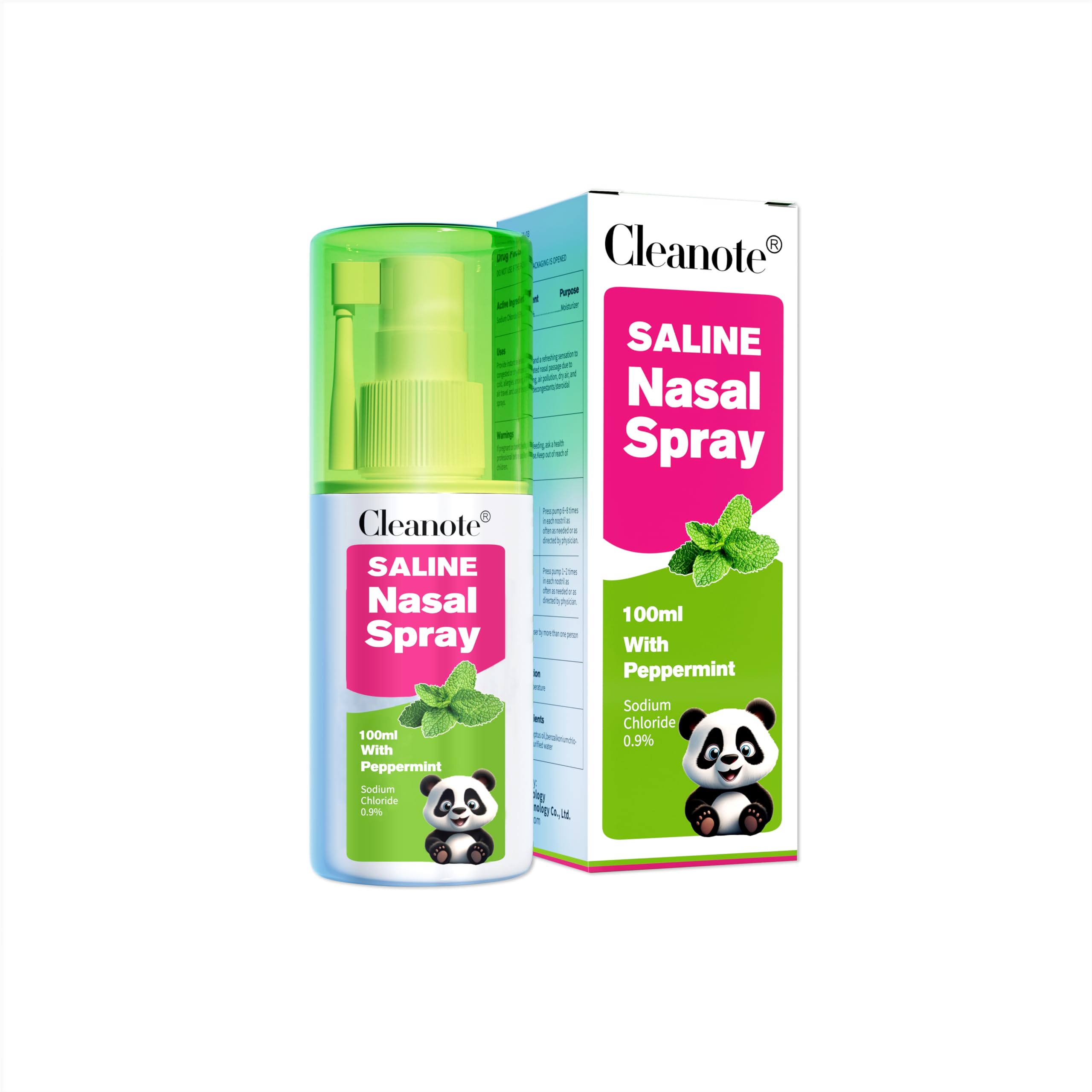 We discovered solely minor and spontaneously resolved adversarial events (reminiscent of worsening cough, agitation, bronchospasm, bradycardia, desaturation, vomiting and diarrhoea) from the use of nebulised hypertonic saline when given with bronchodilators. We discovered only minor and spontaneously resolved adversarial events (similar to worsening cough, agitation, bronchospasm, bradycardia, desaturation, vomiting and diarrhoea) from the use of nebulised hypertonic saline when given with treatment to loosen up airways (bronchodilators). We searched for studies that in contrast nebulised hypertonic (≥ 3%) saline answer alone or combined with bronchodilators versus nebulised normal (0.9%) saline or normal therapy for infants with acute bronchiolitis. To evaluate the consequences of nebulised hypertonic (≥ 3%) saline solution in infants with acute bronchiolitis. Nebulised hypertonic saline solution (≥ 3%) may cut back these pathological adjustments and lower airway obstruction. Hypertonic saline (a robust, or extremely concentrated, sterile salt water resolution) breathed in as a tremendous mist utilizing a nebuliser may assist relieve wheezing and respiration difficulty. We needed to search out out if hypertonic saline answer via nebuliser is simpler and protected for the remedy of infants with acute bronchiolitis in comparison with normal saline resolution.
Clinical severity scores of infants improved barely when administered nebulised hypertonic saline compared to normal saline. Hospitalised infants treated with nebulised hypertonic saline might have a shorter imply length of hospital stay compared to these handled with nebulised normal (0.9%) saline or normal care (mean distinction (MD) −0.Forty days, 95% confidence interval (CI) −0.69 to −0.11; 21 trials, 2479 infants; low-certainty proof). However, hypertonic saline could not scale back the chance of readmission to hospital as much as 28 days after discharge (RR 0.83, 95% CI 0.Fifty five to 1.25; 6 trials, 1084 infants; low-certainty proof). However, persistent fever, severe facial pain, or symptoms lasting past a typical course of viral illness warrant medical evaluation rather than relying solely on saline strategies. However, hypertonic saline might not scale back the risk of readmission to hospital after discharge. The first outcome for inpatient trials was size of hospital keep, and the first consequence for outpatients or emergency division (ED) trials was rate of hospitalisation. Nebulised hypertonic saline may reduce hospital stay by 9.6 hours in comparison to normal saline or standard remedy for infants admitted with acute bronchiolitis. The desk beneath summarizes typical differences to help comparison across widespread purchasing and clinical issues.
 Saline sprays use a pressurized or pump mechanism to create a mist or stream that coats the nasal lining; they're frequent for adults and older children and are useful for fast relief of congestion or to loosen mucus. Firstly, in some trials kids weren't randomly positioned into different treatment groups, which implies that any differences between groups could be on account of variations between individuals somewhat than treatments. Rinses deliver essentially the most complete cleaning and are incessantly used by individuals managing chronic sinusitis, thick nasal discharge, or significant allergy load; clinical studies show nasal irrigation can cut back symptom burden when performed properly. Choosing between saline nasal spray, drops, and rinses relies upon largely on the symptom sample and the user’s needs. Understanding how these options examine is important for individuals searching for symptom relief from colds, allergies, or dry indoor air, and for caregivers deciding on a product for infants or elderly family members. Saline sprays are often beneficial for brief-time period relief of mild congestion or for common moisturizing throughout dry seasons; their comfort and portability make them a common choice for commuters and travelers. This article compares drops, sprays, and rinses in sensible phrases, clarifies frequent makes use of, and highlights security issues to help readers make informed choices with out substituting professional medical assessment.
- 이전글성인약국 비닉스 필름 복용법 가격 효과 한눈 26.06.01
- 다음글경북 럭스비아 지속력이 고민될 때, 현실적인 해결법은 무엇일까 26.06.01
댓글목록
등록된 댓글이 없습니다.